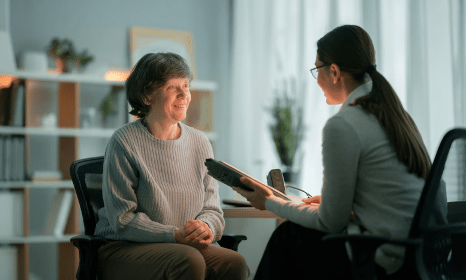
In disability services, healthcare, and guardianship systems, there is a persistent tension: risk management versus human rights. Many organisations act as if these goals are mutually exclusive. They are not. Supported decision-making (SDM) shows why this framing is a false choice.
Autonomy, dignity, and legal capacity can coexist with responsible risk management if systems, culture, and law are aligned.
Consider a scenario: a person with a cognitive disability wants to live independently. A board or service provider might see this as risky: financial mismanagement, falls, or social isolation. The instinct is to step in, limit choice, or assign a guardian.
This approach seems protective, but it often violates human rights and stifles autonomy.
Risk management becomes a tool for control rather than support. Decision-making shifts from the individual to the institution, and the person’s voice is silenced.
Supported decision-making flips the question: instead of asking how can we eliminate risk? it asks:
- How can we support the person to manage risk themselves?
- What tools, relationships, and information will empower informed decisions?
- How can we monitor and respond without taking away autonomy?
SDM shows that risk is not an argument against choice. Risk is an opportunity for structured support, dialogue, and learning.
Organisations resist SDM because:
- Legal and compliance frameworks favour certainty over autonomy.
- Cultural assumptions assume vulnerability requires control.
- Accountability structures reward error avoidance rather than empowerment.
The result is a culture of overprotection, where human rights are sacrificed for the illusion of safety.
Effective SDM requires governance and systems that:
- Prioritise the person’s will and preferences as the default.
- Assess risk collaboratively rather than impose unilateral control.
- Provide clear guidance and training for supporters and staff.
- Embed accountability for autonomy, not just for error prevention.
- Use adaptive systems that respond to evolving circumstances rather than rigid rules.
When risk management is integrated with human rights, institutions protect and empower simultaneously. Safety and autonomy are not competing objectives; they are complementary.
The “risk versus rights” framing is a persistent barrier to meaningful change. Supported decision-making demonstrates that this tension is artificial: human rights, choice, and dignity can coexist with practical safeguards.
Boards, institutions, and regulators must shift from control-based thinking to support-based design. Doing so is not optional; it is essential if the promise of SDM is to be realised.





Leave a comment